Palisade Fencing and Its Role in Controlled Access Environments
Organisations responsible for securing high-value assets and regulated sites often search for palisade fencing near me when planning perimeter upgrades or new developments. In controlled access environments such as logistics hubs, transport facilities, education campuses, and government infrastructure, fencing plays a critical role in managing movement, reducing risk, and supporting compliance requirements.
.png)
Understanding Controlled Access Environments
Controlled access environments are sites where entry and exit must be carefully managed to protect people, assets, and operations. These locations often involve sensitive equipment, restricted workflows, or public safety considerations. Fencing systems act as the first physical layer of security, clearly defining boundaries and directing authorised access through designated points.
In large-scale commercial and government settings, fencing must balance security, visibility, and operational efficiency without disrupting daily activities.
Why Palisade Fencing Is Suited to Access Control
Palisade fencing is widely specified in controlled access environments due to its robust steel construction and anti-climb characteristics. Vertical pales with minimal gaps reduce opportunities for unauthorised entry while maintaining clear sightlines for monitoring and surveillance.
This fencing style discourages tampering and intrusion, making it suitable for facilities that require consistent perimeter integrity across expansive sites such as freight terminals, utilities infrastructure, and institutional grounds.
Supporting Secure Movement and Workflow
Effective access control relies on directing people and vehicles through approved entry points. Palisade fencing integrates seamlessly with controlled gates, checkpoints, and monitoring systems, helping organisations manage traffic flow without creating bottlenecks.
By channelling access through defined locations, site operators can maintain accurate access records, enforce safety protocols, and reduce the risk of accidental entry into hazardous or restricted zones.
Visibility and Surveillance Advantages
Unlike solid barriers, palisade fencing offers high visibility across site perimeters. This is particularly valuable for environments where surveillance, inspections, and patrols are required. Clear sightlines support camera coverage and allow security teams to detect unusual activity quickly.
For government and commercial facilities, this visibility enhances situational awareness while maintaining a strong physical deterrent.
Durability for Long-Term Infrastructure Planning
Controlled access environments often operate continuously, making durability a key consideration. Palisade fencing is designed to withstand harsh weather conditions, operational impacts, and long-term exposure without frequent maintenance.
Its structural strength makes it suitable for sites where fencing must perform reliably over extended periods, supporting asset protection and reducing lifecycle costs.
Compliance and Risk Management Benefits
Many commercial and government projects are subject to strict safety and security standards. Fencing contributes to compliance by establishing secure boundaries, protecting operational zones, and supporting risk management strategies.
When incorporated into early project planning, fencing systems help reduce liability exposure and demonstrate a proactive approach to physical security planning.
Strategic Value in Secure Site Design
Palisade fencing is not just a boundary solution; it is a strategic component of secure site design. By combining strength, visibility, and controlled access capabilities, it supports safe operations across a wide range of sectors, including construction, logistics, education, and public infrastructure.
In conclusion, organisations seeking palisade fencing near me benefit from solutions that enhance controlled access, improve safety outcomes, and support long-term operational security in complex commercial and government environments.
FAQs
1. How does palisade fencing support controlled access environments?
Palisade fencing helps define secure boundaries and directs authorised access through designated entry points.
2. Is palisade fencing suitable for government infrastructure projects?
Yes, it is commonly used due to its durability, visibility, and strong deterrent against unauthorised access.
3. Can palisade fencing integrate with access control systems?
It works effectively with gates, checkpoints, and surveillance systems for secure site management.
4. What makes palisade fencing effective for large commercial sites?
Its strength, anti-climb design, and low maintenance requirements suit expansive operational areas.
5. Does palisade fencing support safety compliance requirements?
Yes, it helps organisations meet safety and security standards by clearly defining restricted zones.
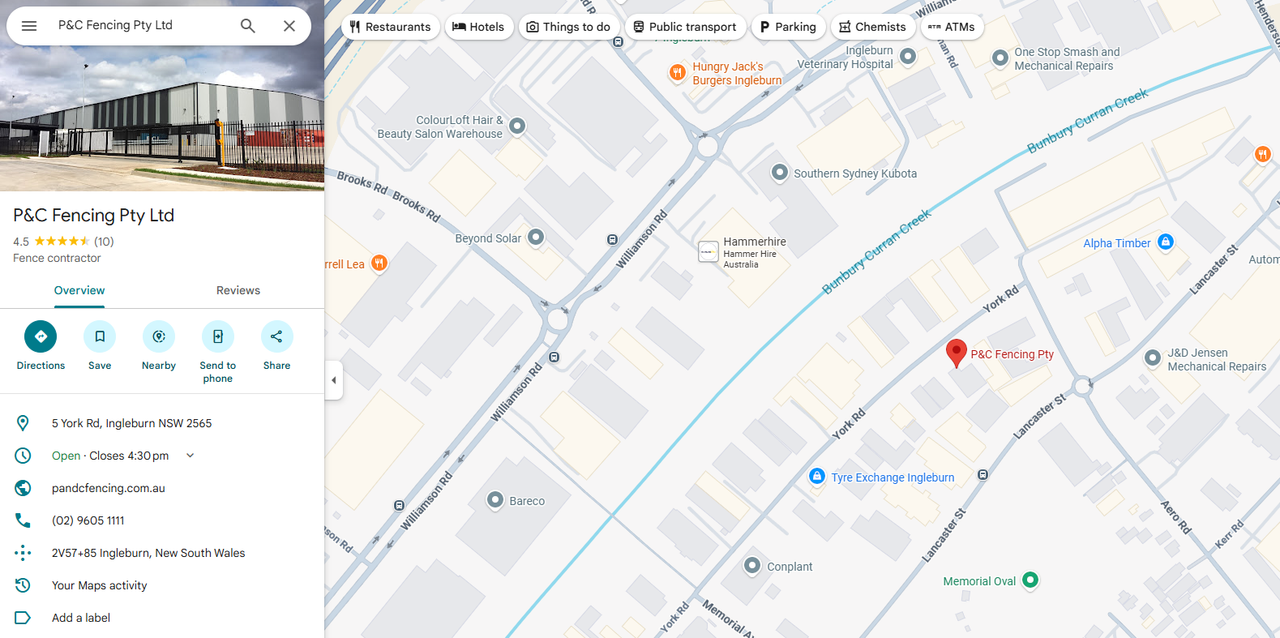
P&C Fencing Pty Ltd
5 York Rd,
Ingleburn NSW 2565
Australia